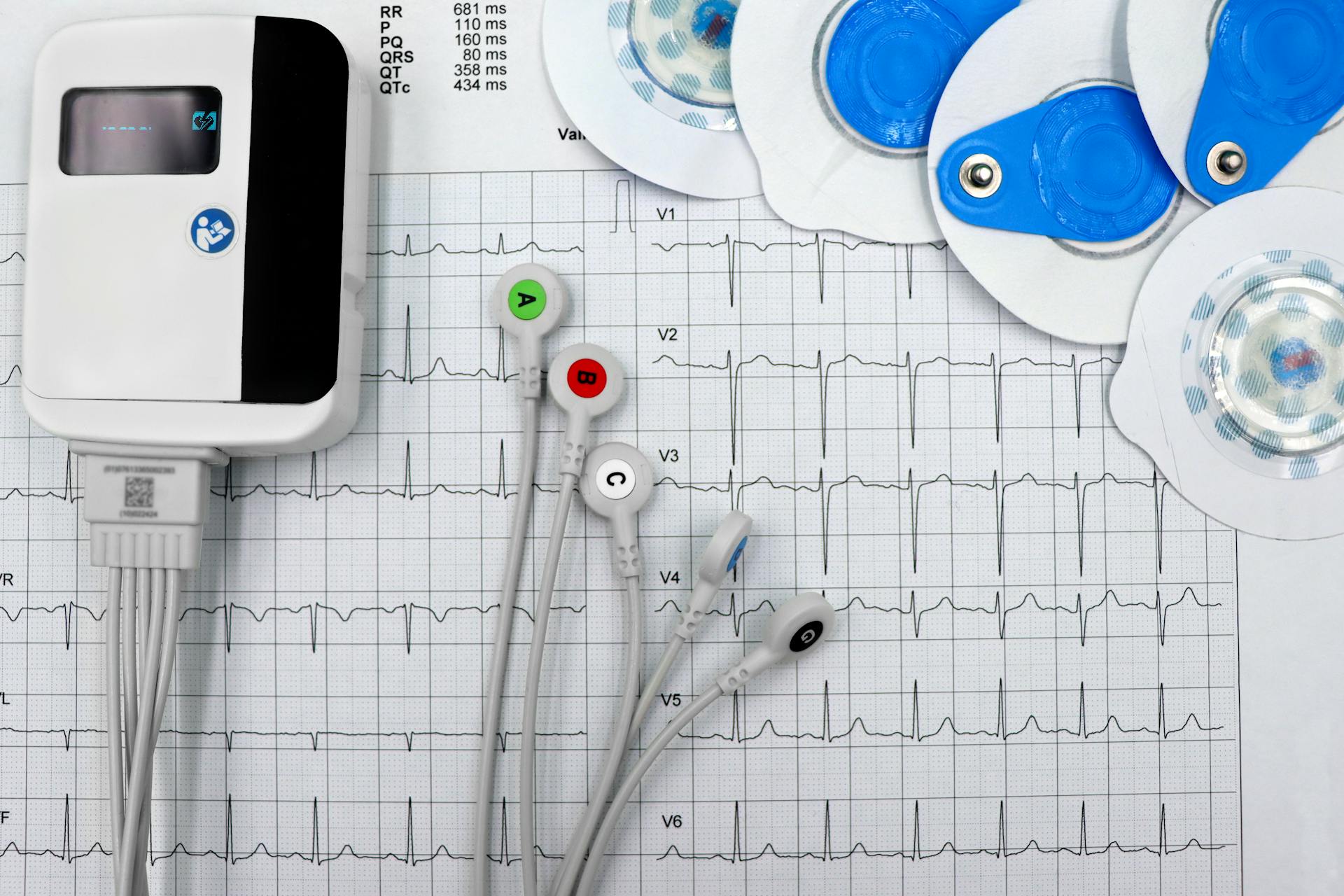
The landscape of cardiac diagnostics in Australian general practice will undergo a significant policy correction. Following extensive advocacy and a review by the Medical Benefits Schedule (MBS) Review Advisory Committee, the Federal Government is reversing the 2020 funding restrictions on ECGs performed by GPs.
This reform restores access to MBS item 11714, enabling General Practitioners to once again claim for the clinical interpretation of an ECG.
Understanding the Change: Item 11707 vs 11714
Since August 2020, most GPs have been restricted to claiming MBS item 11707. This “trace-only” item reimbursed the mechanical performance of the test but explicitly excluded funding for the clinical intellectual work of interpretation, which was reserved for specialists.
From 1 March 2026, the descriptor for item 11714 will be expanded to include general practitioners.
Item 11714 Details
- Service: 12-lead electrocardiography to produce a trace and a clinical note.
- Rebate Value: The rebate is calculated at 85% of the schedule fee ($28.25).
- Benefit: $24.05.
This represents a significant increase from the current trace-only rebate (item 11707), which sits at approximately $18.25.
Compliance: The “Clinical Note” Requirement
To successfully claim item 11714, practitioners must understand the distinction between a “clinical note” and a “formal report” (Item 11704). While item 11704 remains restricted to specialists providing a formal report to a requesting practitioner, item 11714 is designed for the GP managing their own patient.
Documentation for item 11714 must meet the following criteria:
- Human Interpretation: The note must be generated by the clinician. Reliance solely on the automated analysis provided by ECG machine software is insufficient.
- Clinical Significance: The entry must document the significance of the trace findings regarding the patient’s condition.
- Decision Making: The note must articulate how the findings have informed patient management (e.g., changes in medication, referral decisions, or exclusion of acute syndromes).
Preventing Workforce “Deskilling”
The restoration of this rebate addresses concerns regarding the “deskilling” of the general practice workforce. Data analysis revealed that between 2020 and 2022, 2.2 million fewer ECGs were delivered in general practice due to the funding cuts.
Reinstating the interpretation rebate incentivises the retention of cardiac investigations within primary care. This is critical for maintaining diagnostic acumen and ensuring access for patients in rural and remote areas, where a GP is often the only provider available to interpret urgent cardiac presentations.
Practice Readiness and Implementation
Practices should take administrative steps to prepare for the March 1 changeover:
- Update Software: Ensure practice management and billing software are updated to reflect the new descriptor and fee for item 11714.
- Review Workflows: While nurses and allied health practitioners can still assist with the mechanical trace, the GP must review the trace and record the contemporaneous clinical note to satisfy the item descriptor.
- Check Incentives: For eligible patients, combining item 11714 with standard consultation items and bulk billing incentives can significantly aid the viability of thorough cardiac assessments.
Summary
- Effective Date: 1 March 2026.
- New Item Access: GPs can claim MBS item 11714.
- Service Covered: Includes both the trace and the clinical note.
- Rebate Amount: $24.05 (85% of Schedule Fee).
- Key Requirement: Documentation must reflect human interpretation and clinical decision-making; automated machine reports do not qualify.
- Objective: To improve patient access and recognise the value of GP interpretation in primary care.